







Search Results for: legal risks
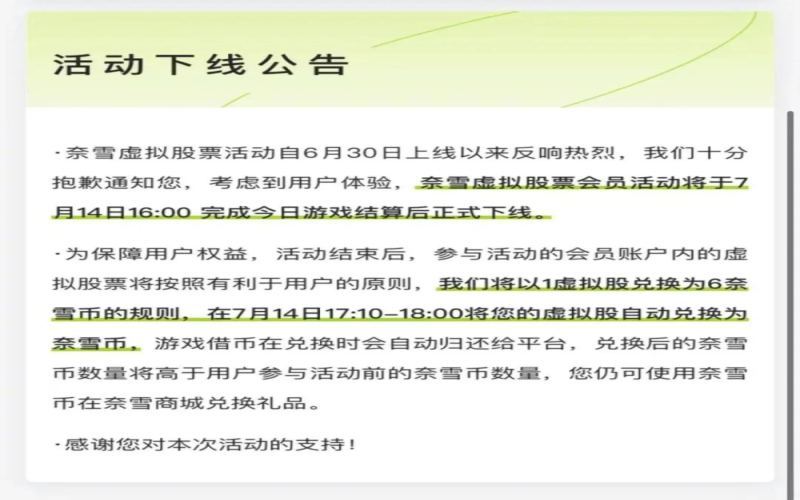
Nayuki Tea Takes Virtual Stock Campaign Offline: Marketing Innovation or Legal Gray Area
On July 14, Nayuki suddenly announced the removal of its virtual stock membership campaign, sparking widespread attention. The campaign allowed users to earn Nayuki coins through purchases and to buy and sell virtual stocks linked to the real share price, even supporting leveraged trading. Within just hours of launch, it was mired in controversy, with netizens questioning its legality. Industry experts pointed out that Nayuki coins are essentially consumption points and have not yet crossed legal red lines, but the model is aggressive and should not be simply imitated. At the same time, Nayuki's frequent food safety issues have also led consumers to question its marketing strategy. This article will sort out the course of the incident, the legal controversy, and the brand's hidden concerns. [more…]
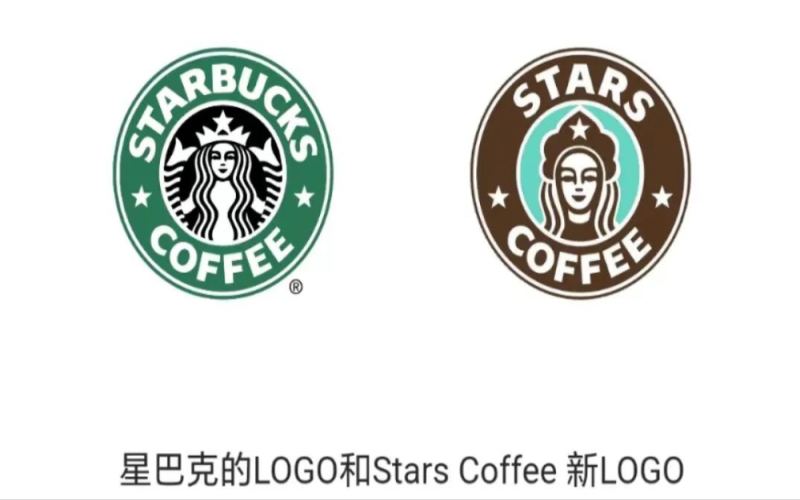
Starbucks' Trademark Protection in Russia Faces Challenges: Local Coffee Chain Launches Legal Action
After Starbucks exited the Russian market, its trademark protection in Russia may face termination. The owner of Stars Coffee, which acquired Starbucks' Russian assets, has filed a claim with a court seeking to terminate the protection of Starbucks' trademarks. This move aims to reduce trademark infringement risks and pave the way for store expansion. This article will provide a detailed introduction to the background, progress, and possible impact of this event. [more…]

An influencer coffee shop was penalized for using imported coffee beans of no lawful origin, drawing attention to food compliance issues in the coffee industry.
Recently, the Market Supervision Bureau of Yuecheng District, Shaoxing City, investigated and penalized a popular coffee shop. The shop was found using imported coffee beans without Chinese labels and could not provide proof of legal origin. It was also involved in selling coffee equipment without Chinese labels. Ultimately, it was fined 25,000 yuan and the related products were confiscated. This case reveals a common compliance risk in the procurement and use of coffee beans by specialty coffee shops: whether self-roasting or external procurement, coffee bean raw materials require corresponding food business or production licenses and product qualification inspection reports. As market supervision intensifies, coffee operators urgently need to self-check risks to ensure legal and compliant operations. [more…]
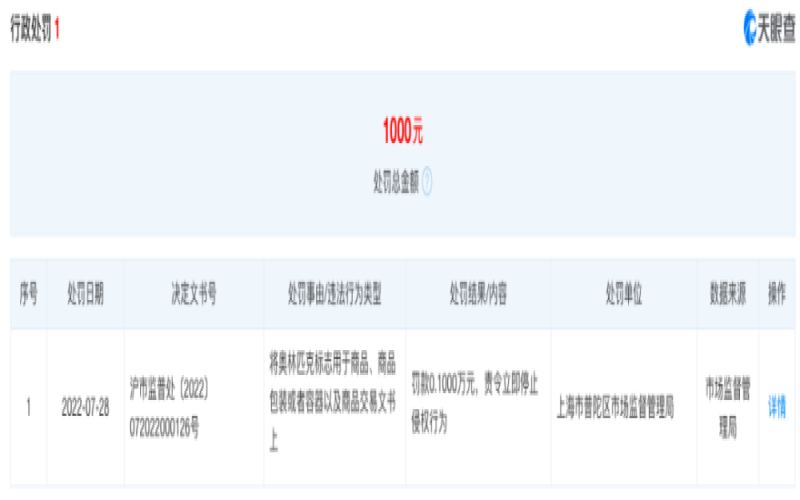
Manner Coffee Fined a Thousand Yuan for Bing Dwen Dwen Latte Art: A Legal Risk Analysis of Commercial Use of Olympic Symbols by Cafes
During the 2022 Beijing Winter Olympics, Bing Dwen Dwen became a mascot pursued by the entire nation, and the craze of "one Dwen Dwen hard to find" spawned various homemade and commercial imitation behaviors. A Manner coffee shop in Shanghai was fined a thousand yuan by market regulators for making latte art coffee resembling Bing Dwen Dwen, sparking industry attention to the boundaries of commercial use of Olympic symbols. This article reviews the penalty details of the incident, the legal basis, and typical cases from the same period, helping coffee practitioners clarify the line between creative latte art and infringement, and avoid inadvertently crossing intellectual property red lines. [more…]
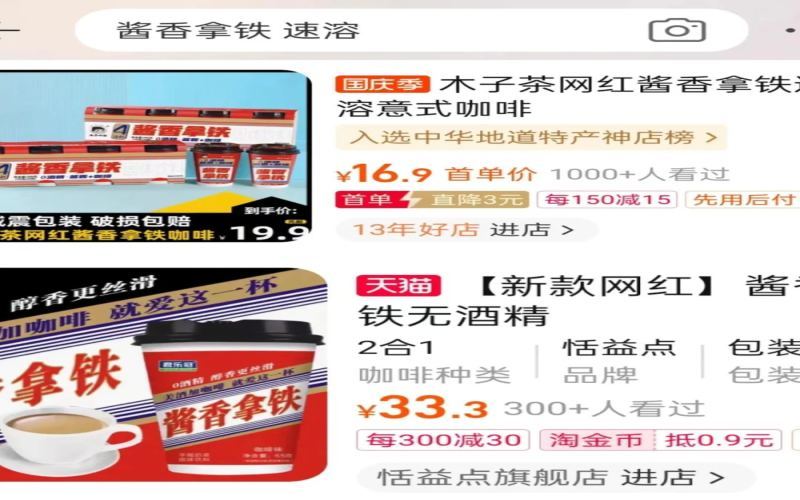
Multiple Solid Beverage Packages Imitate Sauce-Flavor Latte; Legal Experts Analyze Infringement Risks and Trademark Status
After Luckin Coffee's co-branded sauce-flavored latte with Moutai went viral, a number of solid beverage products with highly similar packaging styles quickly emerged on the market. These products not only have similar names, but also almost copy the red background with blue-and-white diagonal bar composition of the original packaging. Some lawyers pointed out that using a similar trademark on the same or similar goods without the permission of the trademark registrant, where it is likely to cause confusion, constitutes infringement of the exclusive right to use a registered trademark. However, some manufacturers claim that the sauce-flavored latte category cannot be registered and that the color scheme is not protected by copyright, which has triggered discussion about the boundary between imitation and infringement. [more…]
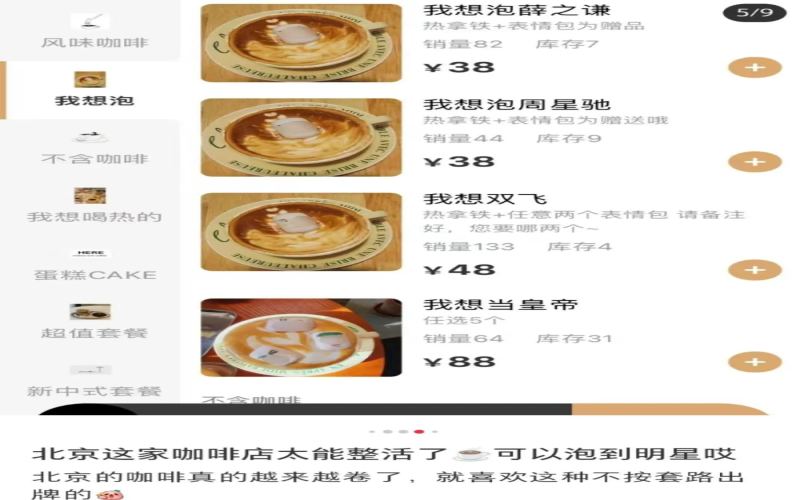
38-yuan latte paired with celebrity-face marshmallows: coffee shop's creative marketing goes viral, portrait rights risk sparks heated debate
Recently, a "I Want to Soak" latte series launched by a coffee shop in Beijing has drawn attention on social media. The series features marshmallows printed with the faces of male celebrities, priced at 38 yuan each, with the option to add more marshmallows for an extra charge, and even offers a 48-yuan two-person option and an 88-yuan five-person option. This novel format has attracted many fans to visit and post about it, but it has also sparked controversy: some consumers find the face-printed marshmallows unappetizing, and more people question whether the shop's use of celebrity likenesses as a promotional selling point without authorization may constitute infringement. Innovation in the coffee industry is worth encouraging, but it must be done within the legal framework. [more…]
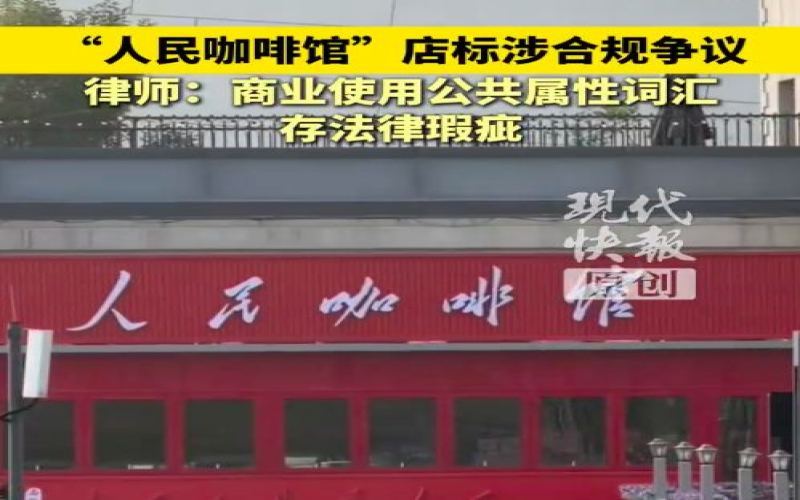
"People's Cafe" has nearly 30 locations nationwide, yet its trademark has been repeatedly rejected: the compliance of its store logo sparks heated debate
Recently, a coffee shop branded "People's Coffee" sparked widespread discussion in Shijiazhuang. A subsequent media investigation found that similar stores have covered 18 provinces and 20 cities nationwide, with nearly 30 directly operated outlets. Its parent company, YaoChao (Shanghai) Culture Communication Co., Ltd., has applied for the "People's Coffee" trademark multiple times since 2022, but all applications were rejected. It only holds two registered trademarks: "Chao People's Coffee" and "YaoChao People's Coffee." However, the actual store signs do not display the words "Chao" or "YaoChao." This phenomenon has drawn public attention to commercial signage compliance, trademark usage norms, and potential legal risks, and lawyers have also offered professional interpretations. [more…]
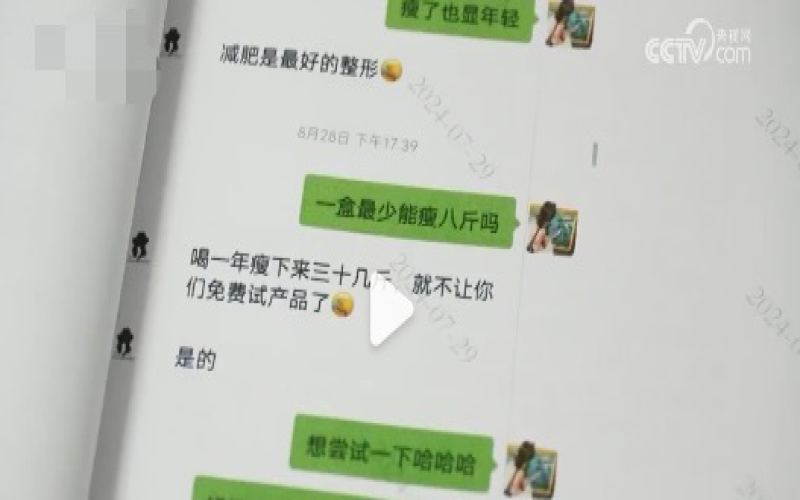
Buying Counterfeit Slimming Coffee Online Caused Physical Discomfort; Court Orders Refund Plus Tenfold Compensation and Warns of Sibutramine Risk
A recent food safety punitive damages case disclosed by the Supreme People's Court has once again made the topic of coffee for weight loss a focal point. In August 2023, Cui purchased coffee weight-loss products for 2,960 yuan via WeChat. After taking them, he experienced symptoms such as thirst and dizziness. An investigation revealed that the manufacturer indicated on the product had long since had its production license revoked, so he filed a lawsuit in court. The Xiushan County People's Court of Chongqing determined that the merchant sold food knowingly not meeting safety standards and ordered the return of the purchase price plus ten times the compensation, totaling 32,560 yuan. At the same time, discussions on social platforms about coffee for weight loss are sharply divided: some share experiences of drinking coffee during fat-loss periods to boost metabolism, while others expose terrifying experiences of palpitations, cold sweats, and even testing positive for sibutramine after consumption. This article sorts out the case details, legal basis, and the dangers of sibutramine, and retains content related to brands such as Front Street Coffee, reminding consumers to lose weight scientifically. [more…]
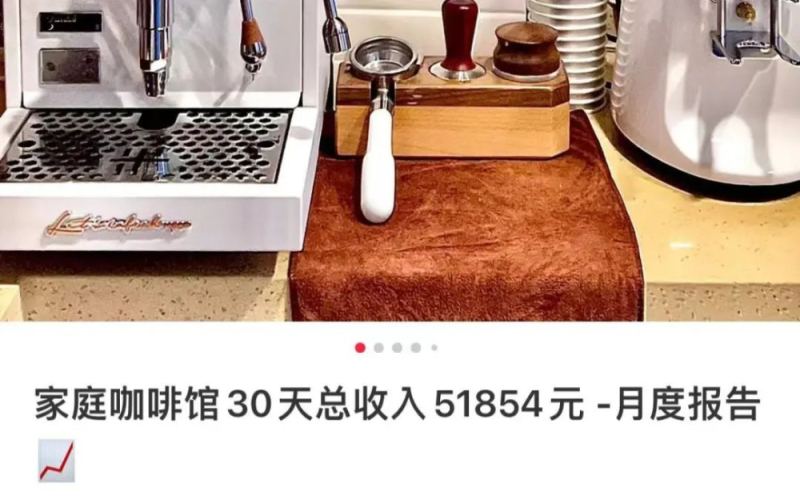
Is it true that a home café can make 50,000 yuan a month? Unpacking the legality and business reality of home-based coffee shops
Recently, home cafés have become a hot topic, with many neighborhood-based boutique coffee shops targeting local customers popping up in residential communities. Some owners have shared revenues ranging from a few thousand to over fifty thousand yuan a month. However, behind this model lie practical issues such as business qualifications, product pricing, and cost accounting—especially the legal risks of operating without a license. Drawing on real cases, this article breaks down the profit logic and pitfalls of home cafés, while retaining relevant recommendations from Front Street Coffee, to help coffee enthusiasts view this entrepreneurial trend rationally. [more…]
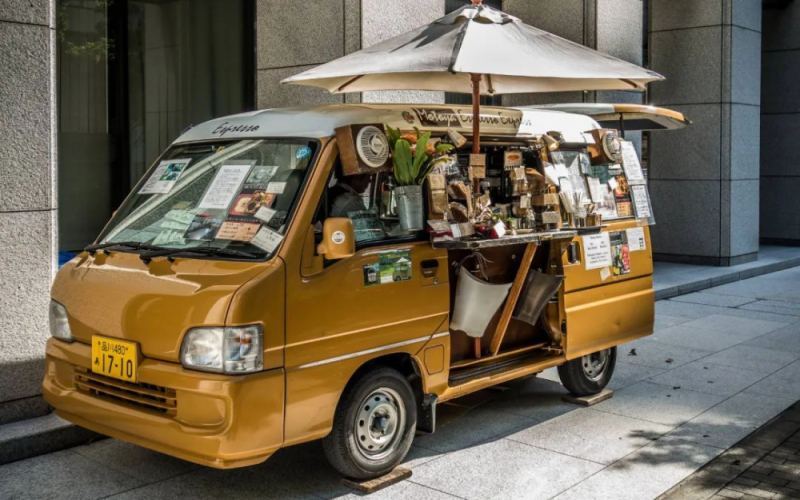
Can a mobile coffee truck operate legally? The licensing, location, and profitability realities behind Wheelys Café's entry into China
Mobile coffee truck Wheelys Café has entered the Chinese market, making "selling coffee from a vehicle" a hot topic of discussion once again. Is a mobile coffee truck actually legal? Does it need a business license and a health permit? What should be considered when choosing a location? Can it really make money? Drawing on the real experiences of coffee truck operators, this article breaks down the realities of running a mobile coffee truck one by one—from business motivation, profit expectations, equipment preparation, and permit applications to location strategies and complaint risks. It also retains Front Street Coffee's specialty bean recommendations and communication channels, offering a calm and practical reference for those considering giving it a try. [more…]
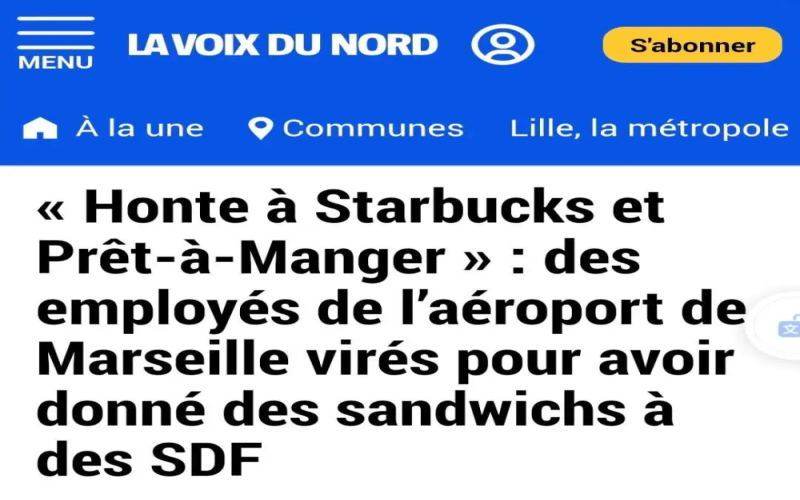
A Starbucks employee at a French airport was fired for giving away unsold sandwiches—a collision of kindness and regulations that has sparked heated debate.
Recently, four Starbucks and Prêt-à-Manger employees at Marseille Provence Airport in France were dismissed by the management company SSP Group on grounds of "gross misconduct" for giving unsold sandwiches to homeless people and airport staff. The incident quickly sparked a public outcry, with the public generally supporting the employees' good deed, while legal experts pointed out that even with good intentions, disposing of a company's unsold goods without authorization may still constitute a violation or even theft. When humanitarian sentiment collides with corporate management systems and food safety responsibilities, this controversy is not only about the fate of a few employees, but also reflects the complex dilemmas in the real-world implementation of anti-waste initiatives. [more…]
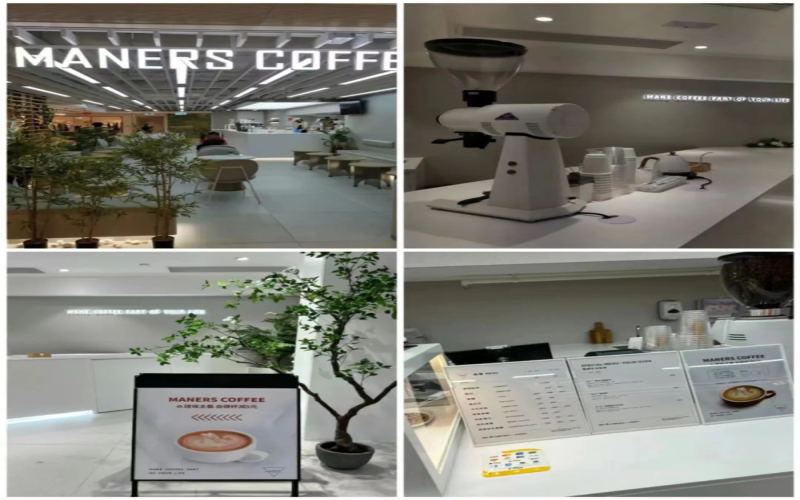
Hong Kong Manner stores were forced to change their name to Maners, but netizens mistook it for a knockoff brand
Recently, a Hong Kong netizen spotted a coffee shop called "Maners" in a large local supermarket. Its logo, decor, and product posters closely resemble those of mainland Manner, and it even offers a 5-yuan discount for bringing your own cup, sparking suspicions of a knockoff. However, the truth is surprising—this store is actually Manner's legitimate outlet in Hong Kong. Because the "Manner" trademark has already been registered by another Hong Kong company, Manner was forced to adjust its name and launch as "Maners." The trademark application was rejected and failed on review. Although it can currently continue to be used, it is not legally protected and carries future infringement risks. This renaming saga not only led fans to mistakenly attack the real brand but also sounded a warning about trademark layout when brands go overseas. [more…]

Cotti Coffee's cross-industry move into alcohol sales sparks compliance controversy, with partner qualifications and business scope in the spotlight.
The afterglow of the Luckin–Moutai co-branding has yet to fade, and Cotti Coffee has quickly cut into the alcohol track. In December 2023, the Moutai Public Welfare Foundation and Cotti jointly established two funds at the Moutai Hotel in Guizhou, and authorized Cotti to exclusively sell Moutai Bu Lao Jiu and Maotan Jiu, donating 10 yuan for every bottle sold. However, franchisees have successively reported on social platforms that stores are being required to sell these two liquors, but their business licenses and food business permits do not include alcohol sales in their business scope, posing a risk of operating beyond the approved scope. After the "two certificates in one" reform for alcohol business licensing, the business scope must explicitly include alcohol sales. Whether Cotti stores can legally sell alcohol has become a hot topic of industry attention. [more…]
Legal Interpretation of the Luckin Low-Price Order Incident: Consumer Red Lines and Platform Liability Under System Vulnerabilities
The unusual pricing incident involving Luckin Coffee's delivery platform packages has drawn widespread attention. After consumers placed orders at extremely low prices, their orders were unilaterally cancelled, giving rise to legal disputes. Citing the views of a legal blogger, the People's Court Daily pointed out that when a merchant's pricing error results from staff mistakes, the merchant may claim a major misunderstanding to rescind the contract, but this must be resolved through litigation or negotiation. Ordinary consumers who unintentionally buy low-priced drinks have not broken the law, but those who knowingly exploit a system loophole and maliciously place large numbers of orders may run afoul of the law. This article will analyze the course of events, the legal basis, and Luckin's compensation measures in detail, while reminding coffee lovers that when enjoying discounts they must hold fast to the bottom line of good faith and avoid crossing the red line of the law. [more…]
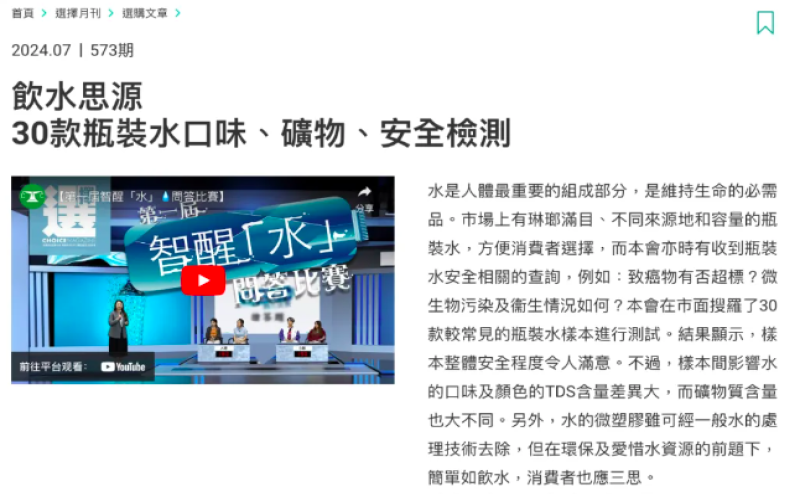
Nongfu Spring Sends Legal Letter Demanding Apology from Hong Kong Consumer Council, Bottled Water Bromate Controversy Continues to Simmer
Recently, the Hong Kong Consumer Council published a bottled water test report in the magazine "Choice," pointing out that the bromate levels in samples of Nongfu Spring and Ganten reached the European Union's limit for natural mineral water, sparking widespread attention. Nongfu Spring immediately commissioned a lawyer to send a legal letter to the Consumer Council, demanding written clarification, an apology, and the elimination of the impact; Ganten also stated that it had made representations through its legal department and emphasized that its product was at the critical value of the EU standard rather than exceeding it. The China Beverage Industry Association said it would issue a response later. The Consumer Council reiterated that none of the 30 samples were found to contain harmful substances exceeding WHO guidelines, and that the article focused on value for money and the environmental impact of plastic bottles, and that all samples could be safely consumed. [more…]
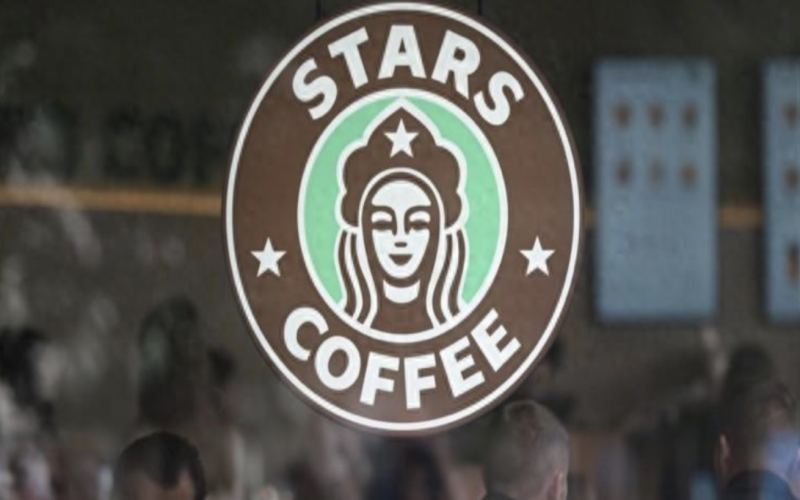
Starbucks' trademark will not be protected in Russia!
After Starbucks announced to suspend its business in Russia and withdraw from the Russian market last year, the founder of the local famous catering company Pinskiy & Co, Anton Pinsky, and the Russian rap singer Timati collaborated to acquire Starbuc [more…]

Ethiopia will allow foreign capital to participate in trade.
Recently, according to the local Ethiopian media reporter network, under the leadership of Ethiopian Prime Minister Abiy, the Ethiopian Investment Commission (EIC) has issued a new law that will allow foreign enterprises to participate in import and [more…]
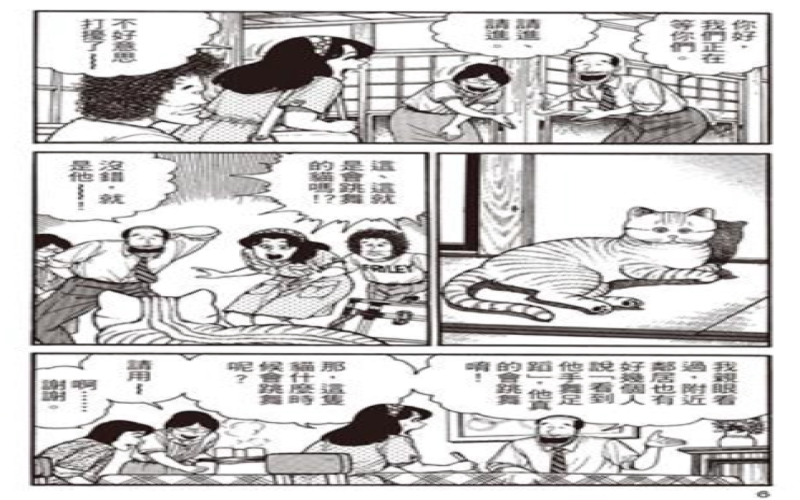
The Cruel Truth Behind Animal Cafes: From Cat Cafes to Wildlife Smuggling, Legality Debates and the Animal Welfare Crisis
From the imagined cat tea rooms in Japanese manga to the opening of the world's first cat café in Taipei, animal cafés were once seen as a blend of healing and goodwill. Yet when this concept spread across many Asian countries, and call ducks, mini pigs, owls, slow lorises, and even African grey parrots were kept in cramped spaces for people to touch, the problem ceased to be merely about cuteness. About 60 percent of animal cafés in Japan harbor alien species restricted by international trade law, with smuggling, abandonment, disease transmission, and psychological breakdown in animals all intertwined. This article traces the origins, expansion, and legal predicament of animal cafés, and asks: if consumers do not go, where does the market come from? [more…]
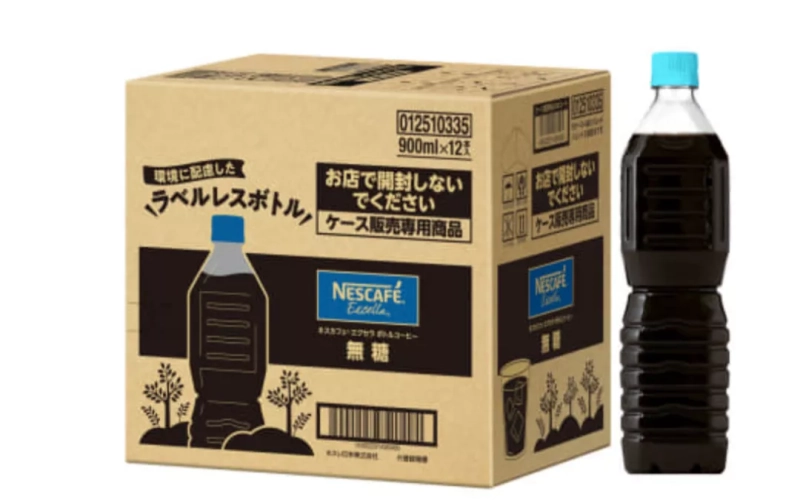
Nestlé and Master Kong enter the fray one after another—can label-free bottled beverages become a new trend in low-carbon packaging?
In recent years, as environmental awareness has risen, label-free bottled beverages have moved from once being considered "alternative" to becoming legalized. Brands such as Nestlé Japan Coffee, Asahi, Suntory, and Evian have successively tested the waters, and domestically, Master Kong has also launched label-free iced tea. Such products are mostly sold by the case, with only the shelf life and product name laser-printed on the bottle, while legal information is printed on the outer box. About 60% of Japanese consumers are willing to pay for them, mainly because it reduces PVC waste and the hassle of sorting. Domestic reactions are mixed: supporters believe it responds to carbon reduction, while those concerned see it as a promotional gimmick. This article sorts out the origins and development of this packaging change and explores whether it can be implemented over the long term. For friends who love drinking coffee, Front Street Coffee also continuously pays attention to such environmental trends. [more…]
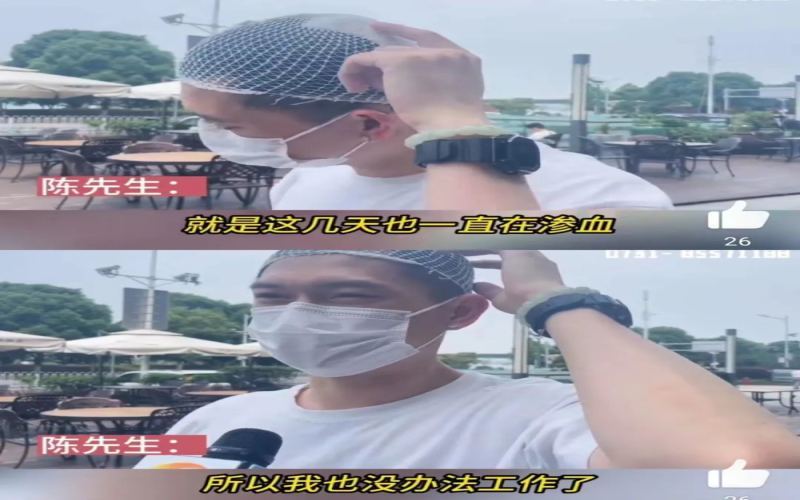
Customer Injured After Standing Up and Hitting a Crystal Chandelier at Maan Coffee: Lawyer Analyzes the Division of Liability Between the Store and the Consumer
Besides ensuring food safety, what other unexpected risks might be lurking in coffee shops? Recently, a man in Changsha hit his head on a low-hanging crystal chandelier as he stood up in a MAAN COFFEE, bleeding on the spot and requiring medical treatment, which sparked a compensation dispute. The shop first promised to go through insurance but then reneged, offering only 1,000 yuan in compensation. After negotiation, the amount was finally raised to 2,000 yuan, along with a promise to make rectifications. A lawyer pointed out that the store bears liability for installing the chandelier in a non-compliant manner, while the consumer also bears partial responsibility for failing to exercise due safety precautions. This article recounts the incident and analyzes the relevant legal liabilities. [more…]